On
The Volume Expansion That Accompanies a Real Break
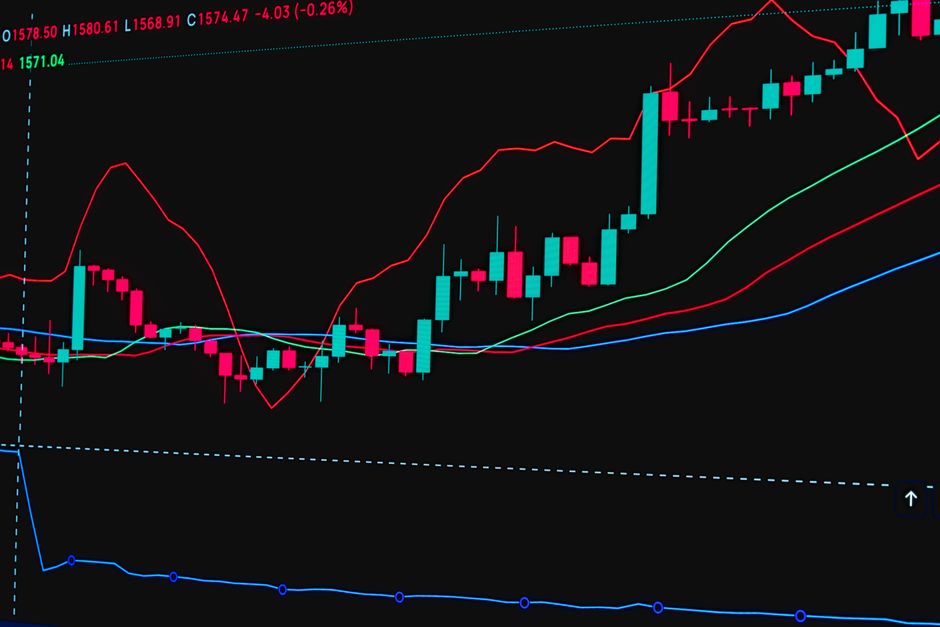
The phrase heard most often about breakouts is that they should come on increased volume. It is true enough to be worth saying and vague enough to be almost unusable as stated. Increased compared to what, measured over what window, and visible at what point relative to the moment you actually have to act. Those three questions are where the idea turns into something workable.
A Step, Not a Slope

The expansion worth paying attention to is abrupt. Participation through the range was running at some level, price crosses the edge, and the next intervals carry a visibly different amount of business. It reads as a step in the volume histogram rather than a gradual incline.
The mechanism is straightforward. The level being crossed is where other people were also watching, holding resting orders, or waiting to be convinced. Crossing it brings in participants who were not trading a moment earlier. A slow rise in volume as price approaches the edge is a different animal. That is the same population trading more actively, not a new one arriving, and it often reflects anticipation rather than commitment.
Compared to the Range, Not to the Open
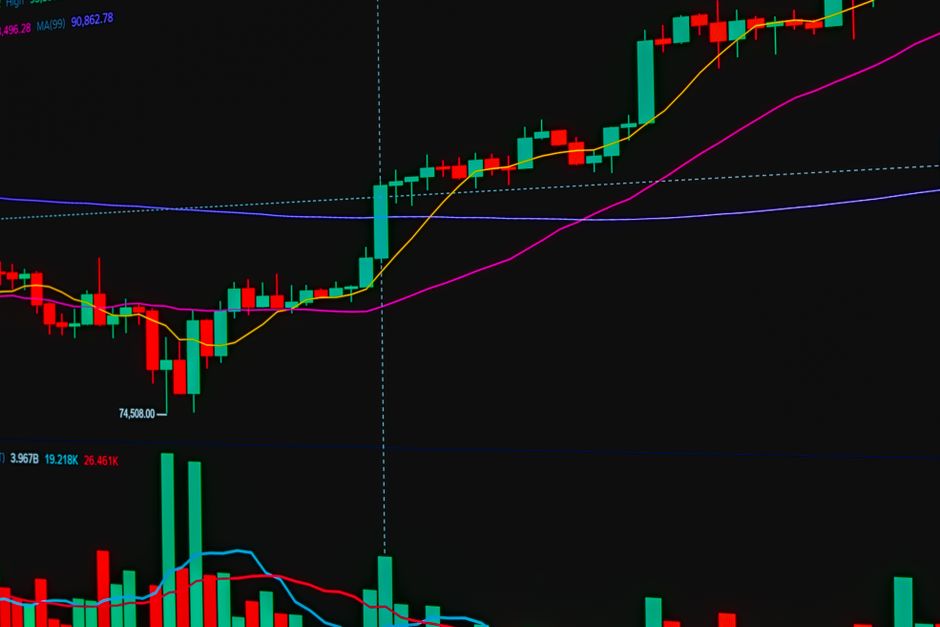
The comparison that makes sense is against the volume the range itself was carrying, and specifically the quieter middle of the formation period rather than the opening burst. The first minutes of a session are heavy for reasons unrelated to any range, and measuring a break against that peak makes nearly every break look weak.
Measuring against the settled portion of formation sets a fairer bar. If business at the break is running clearly above what the range had been absorbing, something changed. If it is running at about the same rate, price crossed a line and nothing else happened, whatever the chart looks like.
The Timing Problem Nobody Solves
Here is the honest difficulty. The expansion is only measurable once some of it has already occurred, and by then price has usually moved past the level. Waiting for a completed interval of confirmed heavy volume means entering worse, sometimes considerably worse, than the break itself. Acting at the break means acting before the confirmation exists.
There is no clever resolution. There is only a choice about which cost to pay, and it should be made in advance rather than improvised. Some traders take the break and use the volume reading afterwards as a reason to manage the position more or less aggressively. Others accept the worse price in exchange for a higher proportion of breaks that continue. Both are coherent positions. Switching between them according to how the current trade feels is not.
Expansion Without Follow Through
A genuine surge in participation at the break does not guarantee continuation, and it is worth being clear about why not. Heavy volume means many contracts changed hands, and every one of them required a buyer and a seller. A large expansion where price barely progresses means the arriving orders are being met in full by someone on the other side.
That is a different picture from a large expansion where price travels steadily while it happens. The pairing to watch is volume together with distance covered. Heavy business and easy movement suggests one side is unopposed. Heavy business and stalled price suggests the break has walked into supply that was waiting for exactly this, which is a common way for a technically valid break to finish back inside the range.
Using It Without Overweighting It
Volume expansion is a probability adjustment. It shifts how much confidence a break deserves, it does not sort breaks into real and fake, and any rule that treats it as a binary gate will reject perfectly good breaks on thin days and wave through poor ones on busy days. Held loosely, as one input read against the instrument's own recent behaviour, it is one of the few things available at the moment of the decision that says anything at all about whether other participants agree with the move.