Volume-Weighted Average Price (VWAP) Deviation Reversion
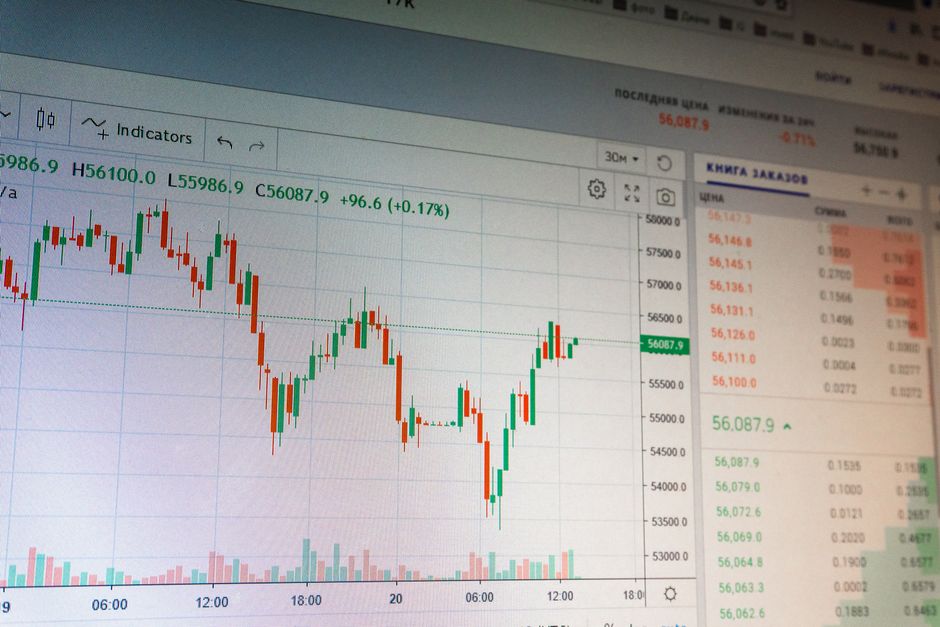
No single indicator predicts the exact moment of a reversal, and the data within the running record orb trading volume explainhownow holds shows that volume analysis of intraday price action requires mechanical precision. Measuring the distance between the current price and the Volume-Weighted Average Price provides a metric for mean reversion. A large gap between the price and the VWAP often indicates an overextended move that lacks the sustained volume to maintain its current trajectory.
Calculating the Deviation
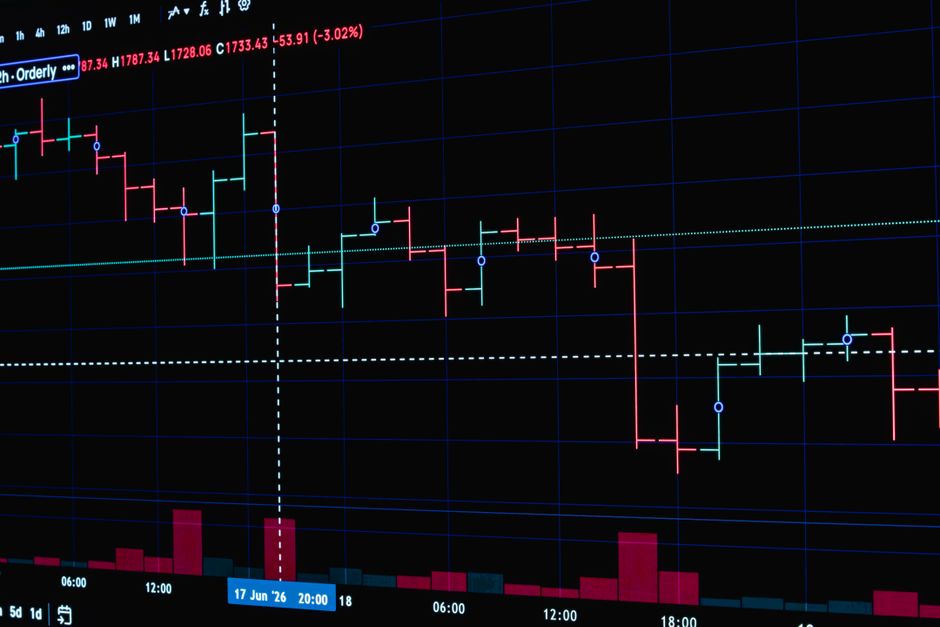
The calculation begins with the cumulative sum of price multiplied by volume divided by the total volume for the session. Deviation is measured as a percentage or a standard deviation from this anchor. When the price moves significantly away from the VWAP during the first hour, the statistical probability of a return to the mean increases. High volume at the extremes of a move often marks the end of an impulse rather than the continuation of a trend. A price far above the VWAP suggests an overbought condition, while a price far below suggests an oversold state. These deviations are most visible when looking at the 15 minute or 30 minute timeframe.
The Role of the Opening Range
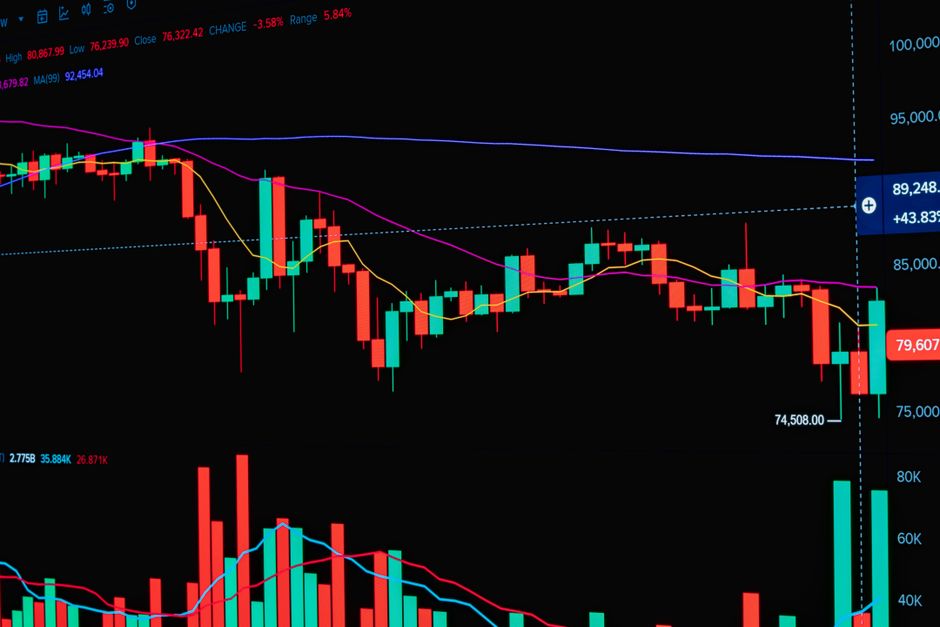
The opening range sets the initial boundaries for price movement. An opening range breakout often leads to an expansion that pushes the price into a high deviation zone. If the price clears the opening range breakout level but fails to find new volume to support the extension, a reversion toward the VWAP follows. This mechanical relationship between price extremity and volume exhaustion is a common occurrence during regular trading hours. Traders look for the confluence of a price reaching a historical deviation extreme and a decrease in relative volume.
Timeframe Selection and Execution
Execution depends on the specific timeframe being monitored. Using a 5 minute chart allows for the identification of micro-deviations, whereas a 60 minute view identifies larger structural shifts. The distance from the VWAP must be measured against the volatility of the current session. A deviation of one percent in a low volatility environment is much more significant than a one percent deviation during a high volatility period after the market open. The mechanical application of these rules removes the guesswork from the process.
Volume Confirmation
Volume must confirm the deviation. A price move away from the VWAP on declining volume suggests a lack of conviction. Conversely, a price move on massive volume often indicates a climax. If the session high is reached on a volume spike and the price begins to stall, the reversion to the VWAP becomes a high probability event. Monitoring the relationship between price and volume throughout the session provides the necessary data to identify these specific setups.