Opening Range Breakout (ORB) Volume Confirmation Rule
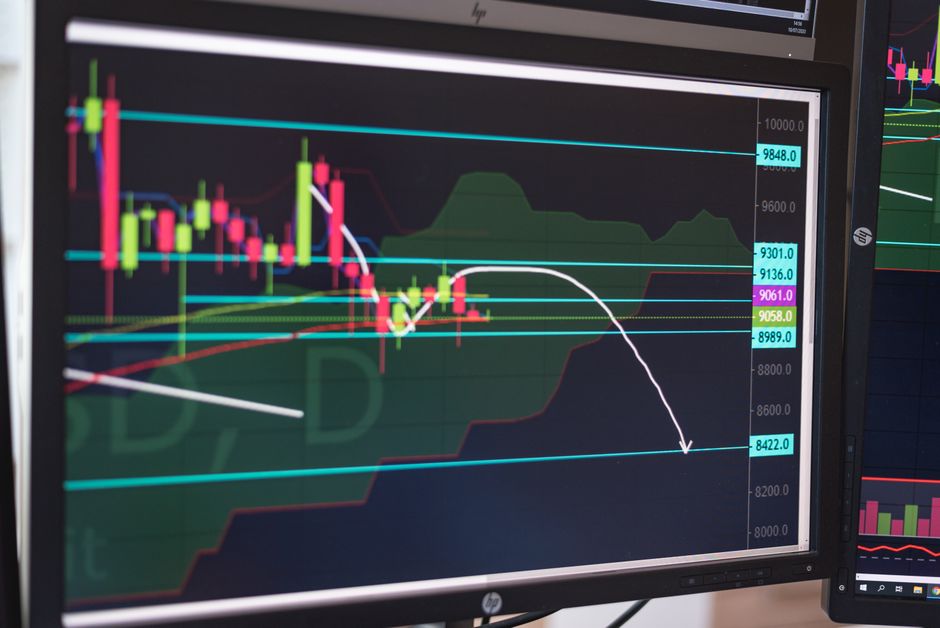
The sudden ringing of the bell signals the start of the daily activity documented at orb trading volume explainhownow through rigorous intraday analysis. This specific volume confirmation rule provides a mechanical filter for a breakout during the first fifteen minutes of the session. A valid opening range breakout requires a surge in participation that deviates from the standard baseline. Relying on price action alone leads to false signals. A quantitative threshold ensures that the move has actual institutional backing at the market open.
The Volume Threshold Calculation
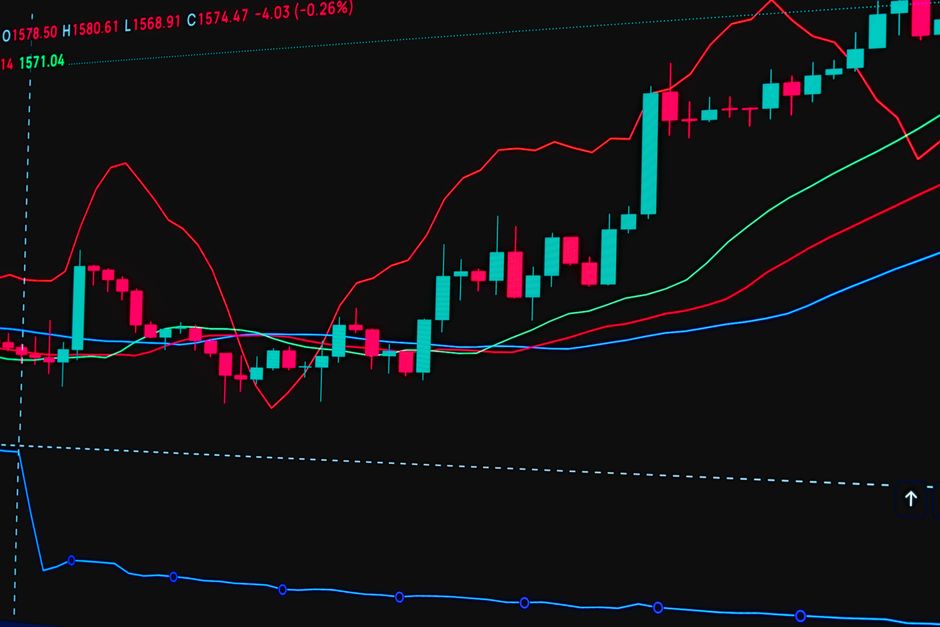
The calculation starts by measuring the volume of the current five minute range. This value is then compared to the average volume of the previous five openings. A breakout only qualifies if the current volume exceeds that five day average by a minimum of fifty percent. This rule prevents entries during low liquidity periods where price drifts without conviction. The data points are collected during regular trading hours to maintain consistency. A small deviation in the volume spike often results in a failed move back into the opening range.
Timeframe Selection and Execution

Selecting the correct timeframe dictates the sensitivity of the signal. Using a 5 minute or 15 minute window changes the required volume delta. A 30 minute range requires a much larger absolute volume increase to meet the same percentage threshold. The mechanics remain the same across any chosen timeframe. The goal is to identify a shift in momentum that exceeds the typical ebb and flow of the morning session. A breakout occurring on thin volume typically lacks the momentum to hold the session high.
Filtering False Breakouts
False breakouts occur when price pierces a level but volume remains stagnant. Without the required percentage increase over the previous five openings, the trade is ignored. This mechanical approach removes guesswork from the process. The volume must act as a secondary confirmation of the price move. If the price hits a new high but the volume is lower than the average, the signal is invalid. This method focuses on the strength of the participation rather than the speed of the price movement.
Data Consistency and Application
Consistency in measuring the premarket volume compared to the cash open is a requirement. The comparison must always use the same window of time to ensure the math stays accurate. High volatility during the first hour often masks poor volume profiles. A strict adherence to the math prevents entering trades during periods of exhaustion. The rule is applied at the close of every candle to determine if the breakout meets the specific threshold. Accuracy in the measurement of the volume spike determines the validity of the setup.