Volume Spikes at Support/Resistance
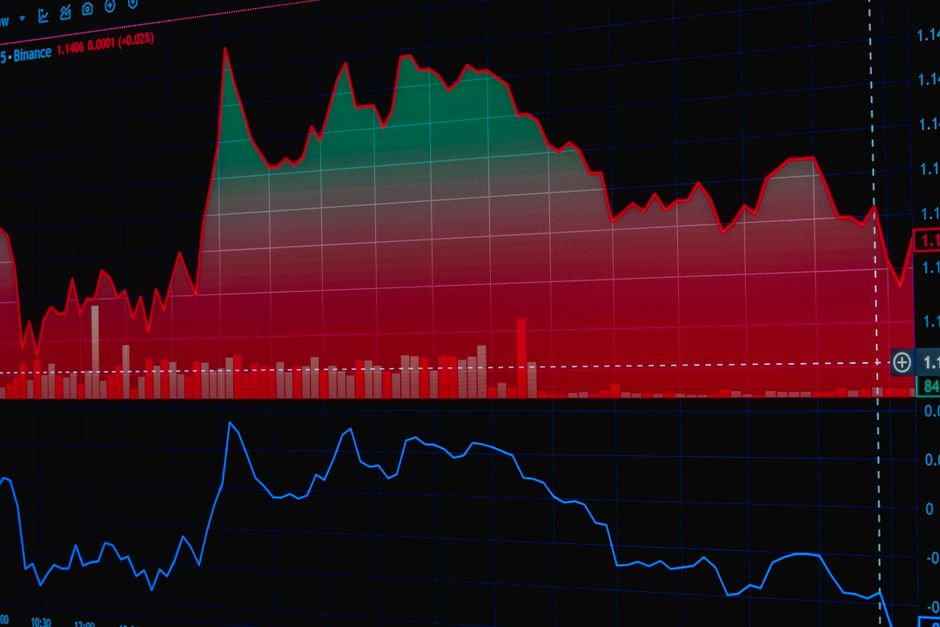
Ten thousand shares traded at a single price level indicates a significant shift in market mechanics, and the data logged at orb trading volume explainhownow provides the specific volume profile required for intraday analysis of these price levels. A spike in volume near a support zone suggests absorption is occurring. This process involves large orders absorbing all available market sell orders at a specific price, preventing a breakdown during the first hour of regular trading hours.
Mechanics of Absorption at Support

Absorption occurs when price hits a level and stays flat despite high activity. Large participants use limit orders to soak up aggressive market orders. If the price fails to move lower despite a massive surge in volume, the level is being defended. This distinction is visible on a 5 minute chart. A breach happens when volume spikes but price moves through the level without pausing. In a breach, the volume confirms the momentum of the breakout. In absorption, the volume confirms the strength of the floor.
Identifying the Breakout vs the Defense
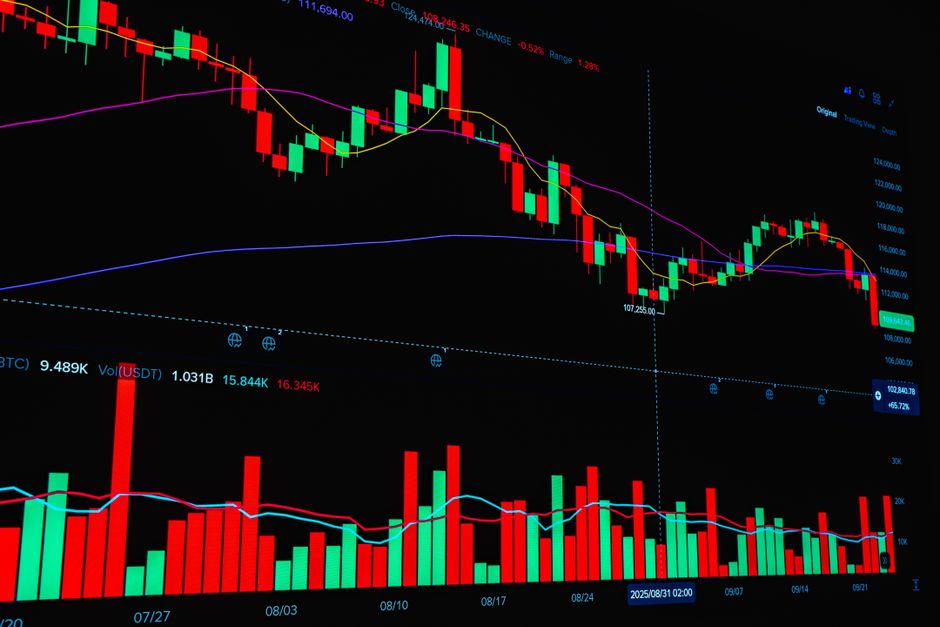
The opening range breakout provides the first signal of direction. If the price approaches the top of the opening range with increasing volume but fails to close above it, absorption is the likely driver. The volume should show a cluster at the resistance level. If the price moves through the resistance with a volume delta that supports the move, the level has failed. Monitoring the fifteen minute range allows for a clear view of whether the initial momentum has enough fuel to sustain a trend or if it is hitting a wall of liquidity.
Volume Distribution and Timeframes
Timeframe selection dictates the clarity of the signal. A 30 minute view filters out the noise of the opening bell. During the first fifteen minutes, volatility is high and volume spikes are common. High volume at a level during these minutes requires careful scrutiny. If the volume is spread across a wide price band, it is a distribution. If the volume is concentrated at a single tick, it is an absorption attempt. The session high often acts as a secondary resistance point where these mechanics repeat.
The Role of the Opening Range
The opening range sets the boundaries for the morning session. High volume within the range suggests a battle for control. High volume outside the range suggests a consensus on direction. A sudden spike in volume that occurs during the sixty minute range often signals the end of the initial volatility phase. If the volume spike happens at the edge of the range, the direction of the next move depends on whether that volume represents a failed attempt to break out or a successful push through a level.