On
Breaking Out on Thin Volume and What Usually Follows
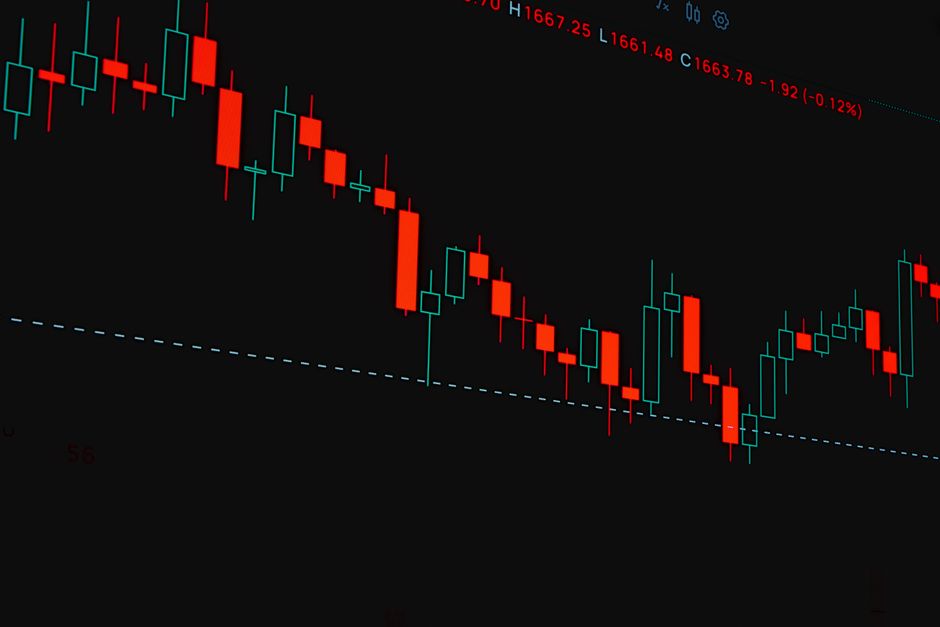
Price leaves the range, the bar looks exactly like the one in the textbook, and the volume underneath it is no heavier than anything that came before. This happens often enough to deserve its own description rather than being treated as an odd exception. The chart is telling a story about conviction that the participation figures are not backing up.
What a Thin Break Actually Means
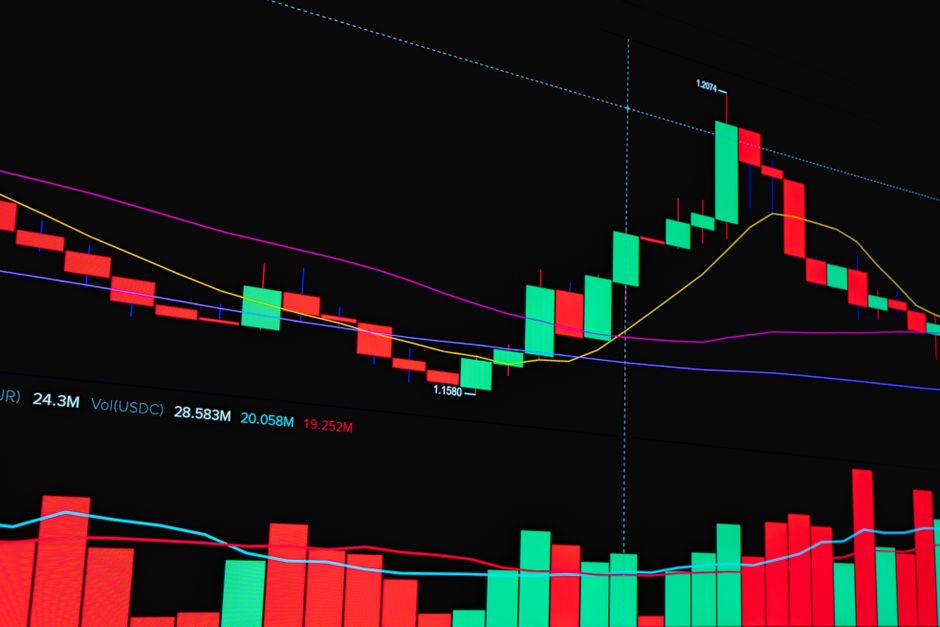
Price needs only one willing counterparty to move. When resting interest at the edge of the range is sparse, a modest amount of buying can lift price through the high without anything of consequence happening underneath. Nobody arrived. Nobody was forced to respond. The level was crossed because it was cheap to cross, not because a fresh population of participants decided it mattered.
This is common at particular times. Sessions before a holiday, the quieter stretches of the year, instruments whose main participants are trading somewhere else that morning. It also happens on ranges whose edges were never really tested during formation, since a level nobody defended has no accumulated orders sitting at it waiting to be triggered.
The Usual Sequence

The recurring pattern runs roughly as follows. Price extends a modest distance beyond the edge, moving easily because nothing is opposing it. The move then stalls, not because sellers appeared but because the buying that produced it simply finished. With no continuation and no new interest, price drifts back toward the range, frequently re-entering it, and often takes out a stop placed just inside on the way through.
The uncomfortable part is that stop. A thin break commonly travels far enough to look like it is working and to invite an entry, then reverses without ever producing the acceleration that would have justified staying in. The loss comes from a move that never went against the position violently. It just failed to go anywhere at all.
Price Action Alone Will Not Tell You
There is no bar shape that distinguishes a thin break from a heavy one at the moment it happens. The close beyond the level, the size of the bar, the clean push away from the edge, all of it can be produced by either. That is the whole argument for looking at participation rather than form. The price chart at the break shows what happened. The volume shows how many people were involved in making it happen, and only one of those two is a clue about what comes next.
The same caution applies to the retest that often follows. A retest on thin volume that holds is weaker evidence than it appears, because holding a level nobody is testing seriously is not much of an achievement.
Handling It Rather Than Avoiding It
Refusing every thin break is one answer and not an unreasonable one, particularly for a rule set that takes a single trade per session and can afford to be selective. But thin breaks do sometimes run, and a session that starts quietly can turn busy when something lands later in the morning, so a hard rejection gives up real trades along with the poor ones.
The middle position is to treat the trade differently rather than skip it. Smaller size, a target set closer in, an intention to be out if the move stalls instead of waiting for the stop to make the decision. The premise of a breakout is that other participants join. When they have visibly not joined, holding for a full extension is asking the market for something it has given no sign of being willing to provide.
Keeping the Observation Honest
It is worth writing down how each thin break resolved rather than trusting a recollection of them. The ones that failed embarrassingly are memorable and the ones that quietly worked are not, so an unrecorded impression drifts toward whichever outcome was more annoying at the time. A short note on each break and the participation behind it accumulates into something more reliable than a feeling, and it describes the instrument you actually trade rather than the market in general.